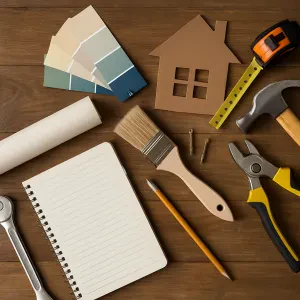
When you dive into DIY projects, having the right tools can make or break your experience. You want tools that feel good in your hands and actually get the job done. Start by thinking about what projects you have in mind. Are you building furniture, doing some minor repairs, or perhaps tackling a garden makeover? Knowing your goals helps narrow down your tool choices.
Here’s a quick starter kit for your home projects:
As you browse tools, think about comfort and ease of use. You’ll want something that feels good in your hands and isn’t too heavy to work with for long periods. Read reviews if you can. Hearing how others found using specific tools can offer great insight.
Don’t forget, investing in quality tools can pay off in the long run. Cheap tools tend to break easily or just don’t work as well. Opt for reliable brands that come with good warranties. This way, you can feel confident about your purchase and focus on enjoying your DIY journey.
Must-Have Tools for Beginners
1. Tape Measure
A good tape measure is your best friend. It helps you get accurate measurements every time. Look for one that’s at least 25 feet long; that’ll cover most indoor projects. Easy to read markings make measuring a breeze, and having a lock feature is a nice bonus.
2. Hammer
You can’t go wrong with a sturdy hammer. Whether you’re hanging pictures or building furniture, this tool has you covered. A claw hammer is versatile and great for driving nails and pulling them out if you need to correct a mistake.
3. Screwdriver Set
Grab a set of both flathead and Phillips screwdrivers. Having the right size for different screws makes all the difference. Magnetic tips help keep screws in place when you’re working in tight spots. You’ll find yourself reaching for these tools all the time!
4. Level
No one wants a crooked shelf or picture frame. A small level can save you from that headache! Just a few bubble levels can make sure whatever you’re hanging or building is perfectly straight.
These tools can get you started on just about any DIY project. Once you get comfortable, you can explore more specialized tools. For now, stick with these essentials and watch your skills grow!
Upgrade Your Tool Collection Smartly
When it comes to DIY projects, having the right tools makes all the difference. But you don’t need to empty your wallet to upgrade your tool collection. Focus on what you really need for your projects, and invest wisely.
Start with the essentials. A good quality set of screwdrivers, a hammer, and a tape measure are must-haves for any DIYer. These basics can tackle a lot of minor repairs and projects around the house. Think about the types of tasks you’ll do most often—painting, building, or fixing—and choose tools that fit your DIY lifestyle.
Next, think power tools. Battery-operated options give you flexibility and save time. A cordless drill is a fantastic addition that can handle everything from assembling furniture to hanging shelves. If you plan to do more intensive projects, consider a miter saw or a circular saw. They can help you cut precise angles and lengths, making your woodworking projects smoother.
Don’t forget storage! A sturdy toolbox or organizer keeps your tools neat and accessible. Being organized not only saves time but helps prevent any unfortunate accidents when you need to grab something quickly. Plus, a clean workspace fosters creativity and keeps you focused on your task.
Remember, it’s not about having the most tools; it’s about having the right tools for the job. Shop smart and build up your collection as you tackle more projects. This way, you’ll be ready for whatever DIY challenge comes your way!
Keep Your Tools Organized and Ready
When you're tackling DIY projects, having an organized tool setup can make a world of difference. Nobody wants to waste time digging through a cluttered toolbox or searching for the right tool. Keeping your tools organized means you can grab what you need and get right to work.
Investing in a quality tool organizer or storage solution is a game changer. Here are some options that really help:
Labeling is another fantastic way to keep things sorted. Use stickers or a label maker to clearly mark where each tool belongs. This simple step helps you and anyone else in your workspace know where to put things back, meaning less mess and more productivity.
Don’t forget about regular maintenance! Take a moment to clean your tools and check them for wear. Keeping everything in good shape not only helps prevent accidents but also makes sure your tools last longer. An organized, well-maintained tool setup is just waiting for your next DIY adventure!