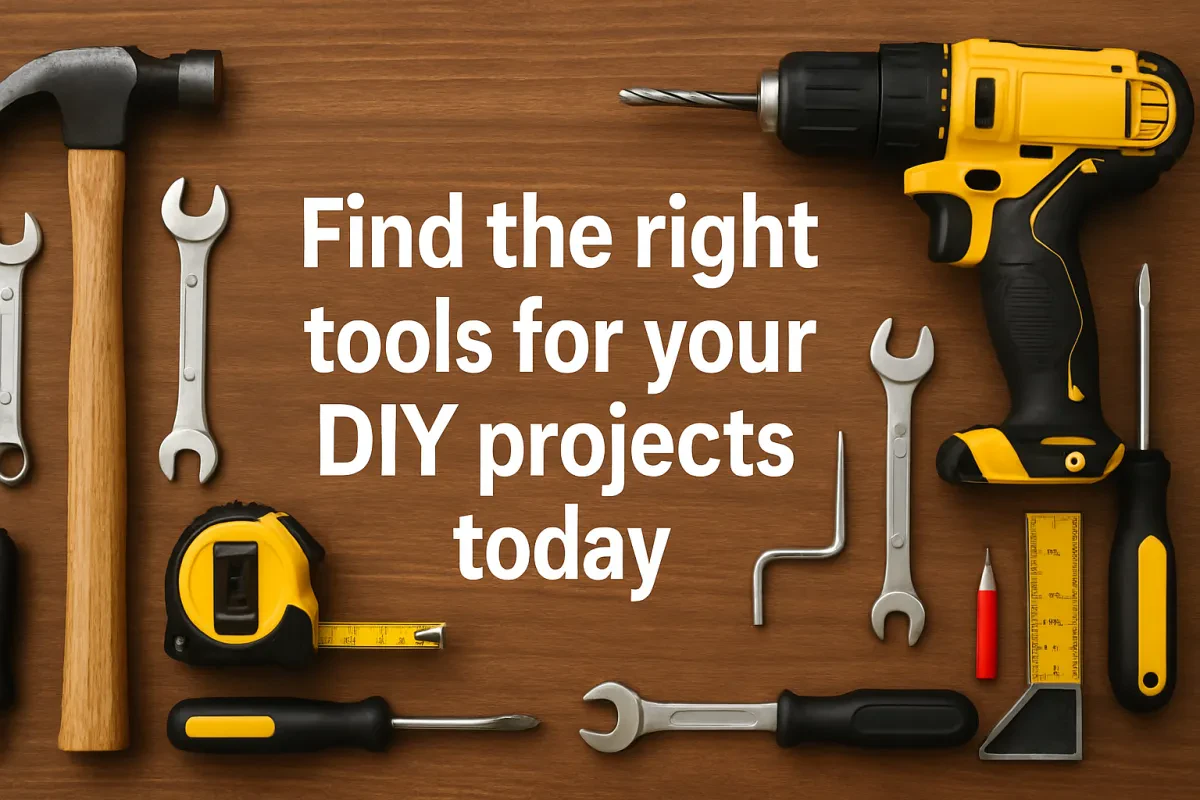
When you dive into a DIY project, having the right tools can make all the difference. Think about what you'll be working on! Whether it’s a simple repair or a big renovation, a solid set of essential tools can save you time, energy, and frustration.
Start with the basics. A good toolkit should include:
Depending on your needs, you might want to add specialty tools to your collection. If you're tackling electrical work, a voltage tester can keep you safe. For woodworking projects, a circular saw will speed things up, and if you're into gardening, a set of high-quality pruning shears is invaluable.
Finally, don’t forget about tool maintenance. Take care of your tools, and they’ll take care of you. Keep them clean, store them properly, and they'll last for years, making every DIY task a lot easier and enjoyable.
Must-Have Tools for Beginners
Getting into DIY projects is super exciting, but having the right tools makes all the difference. If you’re just starting out, here are some must-have tools that will set you up for success.
1. Tape Measure
You’ll need this one for all your measuring needs. Whether you’re hanging shelves or building furniture, a reliable tape measure helps you get accurate measurements every time. Look for one that’s easy to read and has a locking mechanism to hold your measurements in place.
2. Level
No one wants their pictures or shelves to be lopsided! A level helps you ensure everything is perfectly straight. A small, handheld level is great for quick jobs, while a larger one is handy for bigger projects. Both options are budget-friendly and totally worth the investment.
3. Screwdriver Set
Every DIYer needs a solid screwdriver set. You’ll be unscrewing and screwing in all sorts of things, so having both flathead and Phillips screwdrivers in various sizes is important. Consider a magnetic tip for easy handling, so you won’t drop screws down into the void.
4. Hammer
A good hammer is an absolute must. You’ll use it for everything from hanging nails to building furniture. Go for a comfortable grip and a weight that feels good in your hand. You’ll find yourself reaching for it again and again.
5. Utility Knife
This handy tool helps with all sorts of cutting tasks—think opening boxes, trimming materials, or even crafting. Look for a knife that feels sturdy and has replaceable blades for added convenience. You’ll wonder how you ever managed without it!
Upgrading Your DIY Tool Collection
Start with the basics. A good set of hand tools is a must. Look for:
Next up, consider power tools. They can speed up your work and make tough jobs way easier. A cordless drill is a solid investment. It saves time and helps you tackle a variety of tasks, from assembling furniture to drilling holes for shelves. And while you’re at it, a circular saw is fantastic for cutting through wood with clean lines.
Don’t forget your safety gear! Protecting yourself should always be a priority. Grab some safety glasses, ear protection, and a sturdy pair of work gloves. They can save you from accidents and make your DIY projects much more enjoyable.
Specialty Tools for Advanced Projects
Ready to tackle some advanced DIY projects? You'll want to grab a few specialty tools that make your life a whole lot easier. These tools may not be what you'd use for everyday fixes, but when you dive into a bigger project, they can really come in handy.
First up is the router. This tool is a game changer for woodworking. It's perfect for shaping edges or hollowing out areas in wood. Whether you’re building custom furniture or creating decorative molding, a router can give your projects that polished look. Plus, with various bits, you can get creative with designs.
Next, consider a jigsaw. This tool is super versatile and lets you cut curves and intricate patterns in different materials. From wood to plastic, a jigsaw handles it all. It’s perfect for projects like making unique shelves or custom drawer fronts. And it's not nearly as intimidating as it sounds!
Don’t forget about a stud finder. When you're hanging heavy shelves or mounting a TV, knowing where the studs are can save you a lot of headaches. A good stud finder makes sure you hit the right spot, so your projects stay secure and safe.
Lastly, a multitool is a must-have for any advanced DIYer. With a variety of attachments, this little powerhouse can cut, sand, or scrape in tight spaces where other tools just can't reach. Whether you’re removing old paint or doing minor repairs, it’s a trusty sidekick for all sorts of tasks.